Nobody Is Coming to Hand You the Green Flag — So Stop Idling at the Start Line
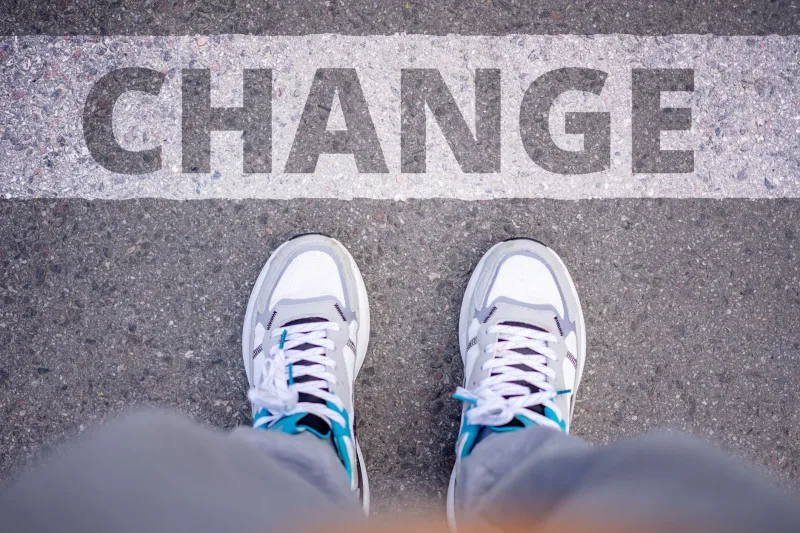
There's a version of yourself that's been ready for a while now. Ready to start the thing, send the pitch, make the call, book the flight, say the thing out loud. And yet — here you are. Still waiting.
Not because you're lazy. Not even because you're scared, exactly. But because somewhere in the back of your head, there's this low-level hum of expectation that someone is going to show up and officially tell you it's okay to go.
Maybe it's a mentor. A parent. A partner. A sign from the universe, a viral moment of clarity, a therapist's nod, or just enough people liking your last post to feel like momentum. Whatever form it takes, you've been treating permission like it's something that exists outside of you — and that's worth looking at.
The Permission Loop Nobody Talks About
Here's how it usually goes: you have an idea or a desire that feels genuinely yours. Then almost immediately, you start looking for evidence that it's legitimate. You poll your friends. You scroll through people who are already doing the thing. You read articles about it — maybe even one like this — hoping someone will say the words that finally make it feel real.
That's not research. That's auditing your own instincts, and it's exhausting.
The tricky part is that seeking input isn't inherently bad. Asking for advice, doing your homework, listening to people who've been where you want to go — that's wisdom. That's how you avoid avoidable mistakes. The line gets blurry when advice-seeking quietly shifts into approval-hunting. When you're not looking for information anymore, you're looking for someone to tell you you're allowed.
And that? Nobody can actually give you.
Where This Habit Comes From
We didn't invent this on our own. Most of us grew up in systems — schools, families, workplaces — where permission was a real and necessary thing. You raised your hand before you spoke. You waited for the grade before you knew if your work was good. You got the job offer before you could call yourself employed.
Those structures trained us to look outward for confirmation that we're on the right track. And for a lot of things, that makes sense. But at some point, the structure becomes a crutch. The habit of waiting for clearance follows us into parts of life where nobody has the authority to grant it — because those parts belong entirely to us.
Your creative work. Your relationships. The career pivot you've been sitting on for two years. The way you want to spend your one genuinely non-renewable resource, which is your time. Nobody gets a vote on that. Not really.
How to Tell the Difference Between Wisdom and Stalling
This is where it gets practical, because I don't want to hand you some oversimplified "just do it" energy that ignores the real reasons people pause. Sometimes hesitation is data. Sometimes you're waiting because something actually needs more time, more information, or more preparation. That's not the same as waiting for permission.
Here are a few questions worth sitting with:
Are you gathering information or gathering reassurance? If you've already done the research and you're still looking for more sources, you're probably not looking for facts — you're looking for someone to say yes.
Would a single person's approval make you move? If the answer is yes — if you know that one specific person saying "I think you should do this" would be the thing that finally gets you going — that's a clue. You've handed your agency over to someone who didn't ask for it.
What's the actual worst-case scenario? Not the vague, ambient dread version. The specific one. Write it down. Most of the time, when you name it clearly, it loses about half its power. And often, you realize the real risk is manageable — you've just been using uncertainty as a reason to stay put.
What would you do if nobody was watching? This one cuts through a lot of noise. If the answer is different from what you're currently doing, that gap is worth paying attention to.
The Quiet Cost of Waiting
Here's the thing about permission loops: they feel safe, but they're not free. Every month you spend waiting for clearance is a month you don't get back. The idea doesn't get fresher. The window doesn't stay open forever. And the version of yourself that knows exactly what it wants? That version gets a little quieter every time you override it in favor of someone else's comfort or approval.
I'm not being dramatic here. This is just what happens when you consistently outsource your own authority. You get further and further from the instincts that were trying to lead you somewhere.
There's also a secondary cost that's easy to miss: the resentment. When you spend a long time waiting for permission that never comes, you start to resent the people you were waiting on — even though they never knew they were holding you up. That's a strange kind of lonely.
What Taking Permission Back Actually Looks Like
It's not a grand declaration. It's not burning it all down or making a dramatic announcement. It's usually smaller than that.
It looks like sending the email before you feel completely ready. It looks like starting the project at 70% confidence instead of waiting for 100% (which, for the record, never shows up). It looks like making a decision about your own life without running it through a focus group first.
It also looks like getting honest about whose voice you've been mistaking for your own. Sometimes the permission we're seeking is really just a disguised form of someone else's expectations — a parent who always had opinions about your choices, a culture that told you what success is supposed to look like, a past version of yourself that made a rule you forgot you could revise.
You can update the rules. That's allowed. You don't need anyone to sign off on that either.
You Were Always Authorized
The thing that's easy to forget — and worth remembering as often as necessary — is that the permission you've been waiting for was never being held by someone else. It was always yours. It's been sitting there, quietly, while you looked everywhere else for it.
You don't need a mentor's blessing to start. You don't need everyone to understand your reasoning. You don't need to have it perfectly figured out before you take the first step, because the first step is usually how you figure it out.
Start with the thing that's been sitting in your chest for longer than you want to admit. You already know what it is. And you've had clearance the whole time.